
Homeownership – There’s a cover charge
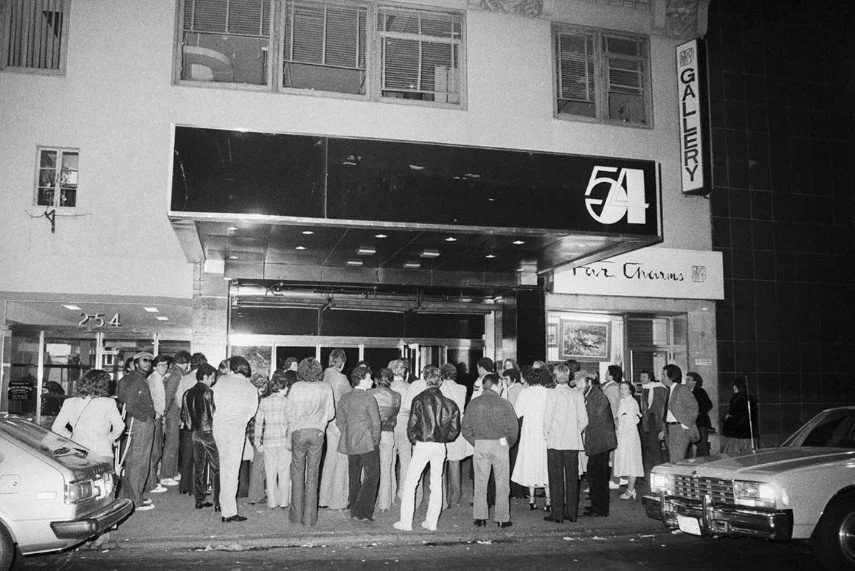
For one generation, the housing boom created wealth. For the next, it created a cover charge.
Remember the starter home?
It wasn't supposed to be perfect. It had one bathroom. A kitchen that hadn't been renovated since 1978. A backyard that was mostly weeds. Maybe some questionable wallpaper. And you definitely didn't walk in expecting a Sub-Zero refrigerator and a marble waterfall island. You bought what you could afford. You fixed it up. You built some equity. And eventually, maybe you traded up.
That was the deal. The starter home wasn't your dream home.
It was your starting line.
Today, for a growing number of younger Americans, even getting to the starting line has become incredibly expensive. The starter home didn't exactly disappear.
It just started charging a very large cover.
And if this sounds vaguely familiar, it should. A few weeks ago, I asked: Where's the cheap beef? The answer was scarcity. Not enough cattle. Plenty of people who still want a steak. Housing, strangely enough, has a similar problem.
Not enough houses. Plenty of people who still want one.
Different market. Same economic force. When demand exceeds supply—and supply can't quickly respond—prices tend to rise. In housing, we're calling that price the cover charge.
The Cover Charge
For millions of Americans who already own homes, housing has been an extraordinary wealth creator. You bought a house. You paid down the mortgage. The value went up. And somewhere along the way, the place you bought to live became one of the largest assets on your balance sheet. That's the good news. The problem is that the same appreciation that created wealth for existing homeowners also raised the price of admission for everyone coming behind them.
For one generation, the housing boom created wealth. For the next, it created a cover charge.
And that cover charge isn't just the price of the house. It's the down payment. The mortgage. Property taxes. Insurance. Maintenance. And interest rates that make today's monthly payment look nothing like the one many existing homeowners locked in just a few years ago. This is where the affordability crisis becomes about more than real estate. It's about access to one of America's most important traditional engines of wealth creation.
How Did We Get Here?
This isn't just a temporary shortage. America has built up a structural deficit in housing over many years. We simply haven't built enough homes—particularly in the places people most want to live. A big part of the problem goes back to the 2008 financial crisis. Homebuilding collapsed, builders disappeared, construction workers left the industry and land development slowed. When demand eventually returned, the homebuilding machine was much smaller. Then catching up got harder.
Land, labor and construction costs rose. Zoning restrictions and permitting delays limited new supply. And all of this has been particularly brutal for the starter home: when building is expensive, smaller, more affordable homes are often the hardest for builders to make profitable.
Can we fix it?
Eventually.
Quickly? Probably not.
The Fed can lower interest rates. It can't build a house.
Just like the cattle herd, housing supply takes time to rebuild. And until we build enough, scarcity will keep a cover charge at the door.
Then We Locked Everyone Inside Their Houses
The pandemic added another twist. Millions of homeowners bought or refinanced when mortgage rates were extraordinarily low. Great for them. Not so great for housing turnover. Imagine you have a 3% mortgage. You might want to move. You might need another bedroom. You might be ready to downsize. But moving means giving up that mortgage and replacing it with a much more expensive one. Suddenly, staying put looks pretty good. That's the mortgage-rate lock-in effect. And when existing homeowners don't sell, fewer homes come onto the market—making an already tight market even tighter.
So Why Don't Home Prices Just Fall?
If homes are unaffordable, shouldn't prices come down? Maybe in some markets. But nationally, there's a bigger problem:
We still need the houses.
Young adults are living with their parents longer. Couples are delaying purchases. Families are staying in apartments longer than they planned. Plenty of people with good jobs and good credit still want to buy. So what happens if mortgage rates fall? Monthly payments become more affordable—but more buyers may also come back into the market. If supply doesn't keep up, lower rates could simply create a longer line outside the club. Because interest rates can influence demand.
They cannot magically fix scarcity.
The Great Generational Divide
This is where the housing story gets really interesting to me. Imagine parents who bought their home 25 years ago. They've watched the value rise. They've paid down the mortgage. Their house may now represent hundreds of thousands—or even millions—of dollars of accumulated wealth. Meanwhile, their adult child is trying to buy a first home. That child may earn far more than the parents did at the same age.And still can't afford one.
The parents built wealth because they owned a house. Their children may need access to that wealth just to buy one.
And suddenly, the Bank of Mom and Dad is back in business. Down payments. Gifts. Co-signing. Sometimes buying the property outright. If you can afford to help, wonderful. But this is where the housing crisis collides with another topic we've been talking about at The Edit:
Retirement.
If you're in your 50s or 60s, helping your adult child buy a home may be one of the most generous things you ever do. It may also be one of the largest checks you ever write. Before you write it, understand what that money was supposed to do for you. Because your child can delay buying a house.
You cannot indefinitely delay funding your retirement.
There is a strange irony in all of this. The scarcity that helped create wealth for one generation is now forcing some of that wealth to be transferred to the next—just so they can get through the door.
The Edit
So, whatever happened to the starter home? It became expensive.
And scarce.
For existing homeowners, the housing boom has been an extraordinary wealth creator.
For the next generation?
There's a cover charge.
And this brings us right back to the beef.
Different market. Same lesson:
Scarcity has a price.
At the grocery store, you see it on the price tag. In housing, it's the cover charge just to get through the door. Lower interest rates may help. But they can't solve a structural supply problem on their own.Because whether we're talking about cattle or starter homes, markets teach us the same lesson over and over again:
When everyone wants something and there isn't enough of it, don't expect it to stay cheap.
The question now is whether America can build enough housing to bring down the cover charge.
Because the line outside isn't getting any shorter.
