
Where’s the (cheap) Beef?
Why Steak Prices Keep Rising—and Why They May Never Go Back
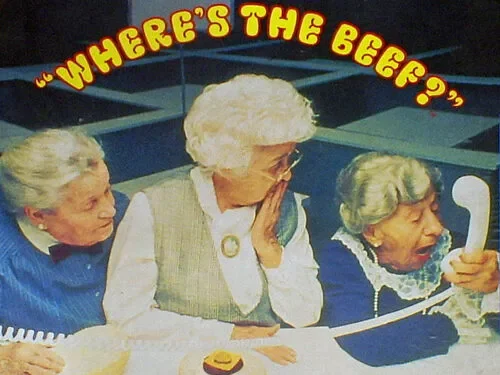
If you’re old enough to remember the famous Wendy’s commercial from the 1980s, you probably remember the punchline:
“Where’s the beef?”
Today, Americans are asking a different question:
“Where’s the cheap beef?”
A trip to the grocery store can feel like an exercise in sticker shock. Ribeye steaks routinely sell for restaurant prices, while premium cuts at steakhouses are increasingly pushing toward $100.
Recently, a Wall Street Journal reporter visited a classic Nebraska steakhouse and found an 11-ounce filet selling for $62, a bone-in ribeye for $90, and a tomahawk steak for $137. The surprising part wasn’t the prices—it was that customers were still happily ordering them.
So what’s happening?
The answer is surprisingly simple. America doesn’t have enough cattle.
The Smallest Herd in 75 Years
The U.S. cattle herd has fallen to roughly 86 million head—the smallest herd since the early 1950s. That’s a remarkable statistic for a country that loves beef as much as America does.
Consumers may complain about prices, but they haven’t stopped buying. Beef remains deeply embedded in American culture, and demand has remained strong despite rising prices.
As one Nebraska rancher put it: Americans love beef.
The result is classic Economics 101: too much demand chasing too little supply.
First Came the Pandemic
The roots of today’s shortage begin with COVID.
When meatpacking plants were forced to slow production because of worker illnesses and temporary shutdowns, ranchers suddenly found themselves with cattle they couldn’t sell.
Animals continued to eat, costs continued to rise, but the ranchers couldn’t get their meats processed at the meatpacking plants because they were all shut down. Some ranchers were forced to euthanize their cattle because the costs of raising beef that couldn’t be processed was breaking them. Profits per animal were running at around $2 per animal. Imagine making $2 for all that work. The whole supply chain broke down.
Then Came the Drought
Just as the industry was recovering, drought swept across much of cattle country. Pastures dried up. Feed costs surged. Ranchers were forced to make difficult decisions.
Many sold breeding cattle. Some exited the business entirely. Others simply couldn’t survive financially.
The result was a dramatic reduction in the nation’s herd size.
Why Prices Aren’t Coming Down
Here’s the key point many consumers miss:
Cattle are not smartphones.
You can’t increase production next quarter. Even if ranchers decide today to expand their herds, it can take years before additional calves ultimately become steaks on grocery store shelves.
And here’s the catch: ranchers aren’t in a hurry. After decades of thin profit margins, many ranchers are earning more money than they ever have before. According to the Journal’s reporting, profit per animal has increased from roughly $2 during the pandemic to nearly $1,000 today.
Not surprisingly, few producers are eager to flood the market and drive prices lower as they are finally having their day in the sun. Cattle Ranching is really hard work and its finally paying off.
The Unexpected Winners and Losers
Ironically, the biggest winners today are ranchers. The biggest losers are meatpackers.
During the pandemic, meat processors benefited from abundant cattle and limited processing capacity. Today, the situation has reversed. With the U.S. cattle herd at a 75-year low, processors must compete for the fewer cattle that need processing. As a result, they pay record prices for cattle but cannot fully pass those costs on to consumers. As a result, some meatpackers are reportedly losing money on every animal they process, forcing plant closures and shifting the industry’s profits from processors back to ranchers.
Restaurants face a similar challenge. Many steakhouses and barbecue restaurants are absorbing higher costs because customers resist even larger menu price increases.
What Does This Mean for Investors?
The beef story highlights a broader investment theme: scarcity matters.
Whether it’s cattle, electricity, copper, housing, or natural gas, years of underinvestment can create shortages that take far longer to fix than most investors expect. Companies that control scarce assets often gain pricing power when supply becomes constrained. The beef market is simply one of the clearest examples.
It is also a reminder that inflation is not always about excessive demand. Sometimes there simply isn’t enough supply.
The Edit
The story of expensive steak isn’t really about steak. It’s about scarcity.
For years, investors focused almost entirely on demand. Today’s economy is increasingly being shaped by supply constraints. The next great investment opportunities may not come from asking what people want.
They may come from asking:
What can’t be produced fast enough?
Today, it’s beef. Tomorrow, it could be electricity, copper, water, or natural gas which is desperately needed to fuel the boom in AI computing.
And until America rebuilds its cattle herd—which could take years—the era of the $100 steak may be here to stay.
